
Animal Rights & Veganism

Animal rights begins with a simple fact: animals are sentient beings capable of feeling pain, fear, comfort and pleasure. They therefore deserve protection from cruelty and unnecessary exploitation. Veganism is closely connected to this principle because it seeks, as far as practicable, to avoid using animals for food, clothing, entertainment and other purposes.

Animals are not objects or property. They are fellow beings sharing this planet with us, with lives and interests of their own.

Core Principles of Animal Rights & Veganism

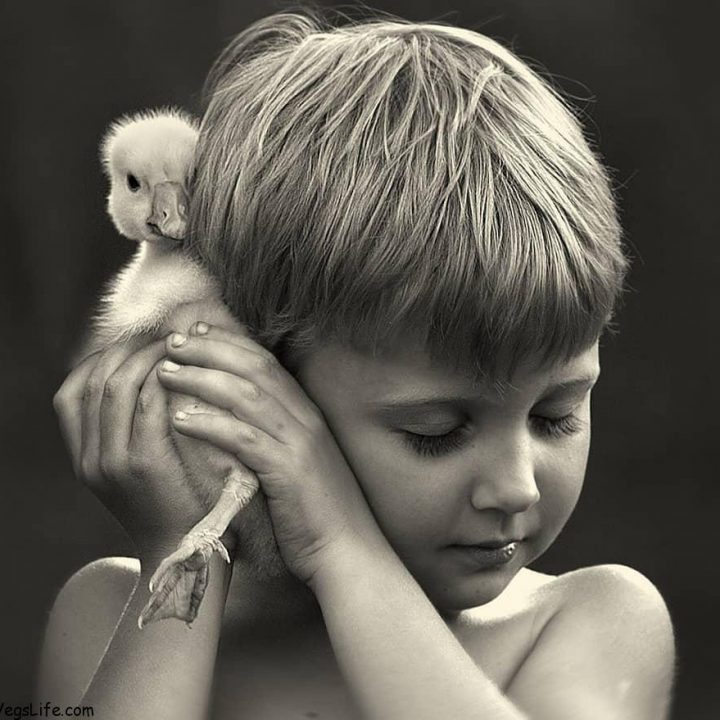
طفل يستمع لدقات قلب صديقه البط
We believe the bond between humans and other animals is rooted in our natural capacity for empathy and care.
Animals Are Sentient and Intelligent

Studies show that many animals experience pain and fear, form social bonds, communicate, learn and remember. Many species also display complex cooperation, attachment and social behavior.

Compassion for Animals Is a Human, Ethical and Spiritual Value

Compassion toward animals appears across many religious and ethical traditions. If we can live and eat well without causing animals unnecessary suffering, the obvious question is: why continue exploiting them?

Fellow Beings on This Planet, Not Our Property

Animals are not objects that exist for our use. They are beings who share this planet with us. Human expansion and exploitation have destroyed habitats and driven species loss; respecting animals is part of a broader ethic of living within ecological limits.

Compassion Comes Naturally

Children commonly approach animals with curiosity, affection and concern. Caring when another being is frightened or hurt is not strange or radical; it is one expression of our capacity for empathy.

Tens of Billions of Land Animals Are Killed for Food Every Year

Despite animals’ capacity to feel and suffer, tens of billions of land animals are raised and killed for food every year, without even counting the vast numbers of aquatic animals. Behind those statistics are individual sentient beings capable of pain and fear.

If Slaughterhouse Walls Were Transparent, Many More People Would Choose Veganism

Most animal agriculture happens out of sight. Consumers rarely see the conditions animals live in or how their lives end. Seeing the production chain clearly can change how we think about the link between our food and animal suffering.

How We See Animal Rights & Veganism

Vegans see animals as conscious, sensitive and social beings. That is not simply sentiment: scientific research supports animals’ capacity to feel, learn, communicate and form social relationships.

But most of us do not need a laboratory to understand that another animal has interests of their own. We see fear, trust, curiosity, affection and resistance in the animals we live with and encounter.

The ethical challenge is consistency. If pain and fear matter when the animal is a dog or cat, why should they suddenly stop mattering when the animal is a cow, chicken, pig, sheep or fish?

Veganism is the practical extension of that idea: when we can live well without exploiting and killing animals, we should choose the option that avoids that unnecessary harm.

حقوق الحيوان في نظر النباتيين

The Double Standard—and the Animals Who Pay for It

Most of us care about animals instinctively. We play with dogs and cats, stop the car for a chicken crossing the road, and watch children reach toward animals with curiosity and affection.

Then culture teaches us a division: these animals are family, those animals are food. The individual disappears behind words like meat, poultry, leather or dairy.

That double standard is what veganism asks us to examine. If the same fear, pain and desire to live matter in the animals we love, why should they matter less in the animals we eat?

Psychologist Melanie Joy uses the term carnism for the belief system that makes eating certain animals seem natural, normal and necessary while hiding the animal behind the product. Veganism challenges that conditioning and asks us to make our compassion more consistent.

إزدواجية المعايير عن عند اللغير نباتيين
Veganism is a revolution in awareness. It begins when we dare to see what we have learned not to see. If you are here, you are already willing to take that step. Keep your mind open to what is new—even when it challenges what you thought you knew—and let conscience, heart and reason judge the truth together.
Animal Rights • حياة نباتية موقع ملتقى النباتيين، حياة نباتية من أجل الحيوان الانسان البيئة والسلام
Rami Alsaman
Founder of Veg’s Life

A Short Look at What Meat Production Means for Animals

This short video looks behind the scenes of animal agriculture. Some footage may be difficult to watch, but understanding how animals are treated is part of making an informed choice.

Start with this short video, then explore the resources below if you want to go deeper.

But Isn’t Halal Slaughter More Humane?

Slaughter methods matter because animals can suffer during handling, restraint and killing.

Islamic law includes rules intended to limit cruelty and requires animals to be treated with care. In practice, however, welfare depends on what actually happens during transport, handling, restraint and slaughter—not only on the label attached to the method.

From an animal-rights perspective, there is also a deeper question. Debates over halal, stunning or conventional slaughter ask how an animal should be killed. Veganism asks whether we need to kill the animal at all when we can meet our nutritional needs without doing so.

For us, that is the key ethical point: reducing suffering matters, but avoiding unnecessary killing and exploitation goes further.

Go Deeper: Animal Rights, Veganism & Carnism

Want to understand more about animal rights, animal suffering and why veganism challenges the way we are taught to see animals?

Documentaries such as Earthlings examine the many ways humans use animals. Vegan advocates have also helped millions of people question practices that are usually kept out of sight.

Psychologist Melanie Joy uses the term carnism to describe the belief system that conditions us to classify some animals as companions and others as food. She summarizes common justifications for eating animals as the “Three Ns”: Natural, Normal and Necessary.

Veganism asks us to examine those assumptions instead of treating them as self-evident. The central question is simple: if we can live well without exploiting animals, why choose exploitation?

Frequently Asked Questions About Animal Rights & Veganism

Animal rights starts from the idea that animals are not simply property or tools for human use. They are sentient beings with interests and experiences of their own, capable in different ways of feeling pain, fear and comfort.

The 2024 New York Declaration on Animal Consciousness states that there is strong scientific support for conscious experience in mammals and birds, and a realistic possibility of conscious experience in all vertebrates and many invertebrates. New York Declaration on Animal Consciousness

Animal welfare focuses mainly on reducing suffering and improving the conditions in which animals are kept. Animal rights asks a broader question: when alternatives exist, should humans be using or killing animals at all?

Better treatment matters, but veganism goes beyond asking for less harmful exploitation and questions whether unnecessary exploitation should continue.

Veganism is one of the most direct ways to put animal-rights principles into practice. Much animal use exists to produce meat, dairy, eggs, leather and other products. Avoiding those products reduces our direct support for systems that breed, use and kill animals.

It also reduces environmental pressures associated with animal agriculture, adding another reason to shift toward plant foods.

Yes. Strong scientific evidence shows that many animals do more than reflexively respond to harmful stimuli: they change behavior, make decisions and learn to avoid sources of pain. Researchers use physiological and behavioral evidence to assess pain across animal groups.

Defining and assessing animal pain — Animal Behaviour

Cognitive abilities differ among species, but many animals can learn, remember, solve problems, communicate and form social relationships. Chickens, for example, show social learning, memory, communication and emotional complexity far beyond the stereotype of them as simple animals.

Thinking chickens: cognition, emotion and behavior

Yes. Emotional lives and social bonds are not limited to dogs and cats. Research on cows, for example, describes learning, memory, individual personalities, emotional states and social relationships.

That is why we should see animals used for food as individuals, not merely as products.

Islamic law includes rules intended to reduce cruelty and suffering. But animal welfare depends on what actually happens during transport, handling, restraint and slaughter.

Animal rights asks a broader question: if we can obtain adequate nutrition without killing the animal, why is the killing necessary in the first place? Improving the method matters, but avoiding unnecessary killing goes further.

Animal use is not limited to meat. It also includes dairy, eggs, leather, fur, some experiments, circuses and entertainment, among other uses. Veganism aims, as far as practicable, to avoid supporting these forms of exploitation.

Start by learning how animals and animal products enter everyday life, then replace the forms of exploitation you can avoid. Food is one of the biggest and most immediate areas where individuals can act, making a shift toward vegan eating especially powerful.

Explore Veg’s Life recipes and guides to make that change practical and enjoyable.

You do not have to change everything overnight to care about animals. But if you believe animals deserve protection from unnecessary suffering and exploitation, it makes sense to examine how your daily choices affect them.

Veganism is the practical step that brings those values into food and other everyday choices as far as possible.

هدية لك 🌱 جرّب 7 أيام نباتية

أسبوع كامل حتى ما تبقى كل يوم تسأل: شو بدي آكل؟

خذ خطة مجانية لـ7 أيام فيها فطور وغداء وعشاء، أفكار سناك، قائمة تسوق وأساسيات B12 والبروتين والحديد. خطوة عملية لتعيش النباتية بطريقة أسهل، وتختار طعاماً لا يحتاج أن تكون معاناة الحيوان جزءاً منه.

بالاشتراك ستصلك أيضاً رسائل مختارة من حياة نباتية. يمكنك إلغاء الاشتراك في أي وقت.