
Welcome to
Veg's Life
Veg’s Life is here for people with an open heart and mind who want to return to something simple:
closer to nature,
closer to compassion for the lives sharing this planet with us,
and to a way of living that goes beyond food.
Veganism is about what we eat, how we live, and how we choose to treat other beings.

Vegan living means learning to live peacefully with the other beings who share this Earth
Discover delicious vegan food
Recipes that make plant-based eating practical, satisfying and enjoyable.
See the animals behind the products
Animals cannot explain their suffering to us. Learn what happens to them and why their lives matter.
Answer the common objections
Build a strong, evidence-based understanding of veganism and learn how to discuss it clearly.
Start your vegan journey
Practical guidance to help you move toward vegan living and make it sustainable.
Explore the evidence
Our health content follows scientific research and links readers to the evidence behind important claims.
Live more lightly on the planet
Replacing animal products with plant foods can reduce pressure on climate, land and natural resources.
The Veg's Life Mission
More than 80 billion land animals are slaughtered for meat each year, not counting animals who die in the egg and dairy industries or the enormous numbers of aquatic animals killed for food. These are not just statistics. They are individual lives turned into products. That is why Veg’s Life does not stop at recipes. We also confront the ethical, health and environmental costs of a system that treats animal exploitation as something “normal” that needs no justification.
For peace
Compassion is not something we switch on for humans and switch off for other animals. Veganism asks us to make everyday choices that reduce avoidable violence and bring our actions closer to the values of mercy, coexistence and peace.
For people
Health is not an apology for veganism. It is another area where replacement matters. Processed meat is classified by the WHO as carcinogenic to humans and red meat as probably carcinogenic. Research on replacing animal foods with plant alternatives also shows improvements in several cardiovascular risk factors. The stronger question is not only whether we can live without meat, but what happens when we replace it with better plant foods.
For the environment
The cost of animal products does not stop at the plate. Global food-system research finds that animal-based foods account for a disproportionate share of food-production emissions. Replacing animal foods with plant sources can reduce pressure on climate, land and resources.
For animals
Most of us agree that animals should not be harmed without necessity. Yet tens of billions of land animals are slaughtered for meat every year, with many more used in egg, dairy and aquatic-food systems. Animals are not machines for producing milk, eggs or meat. They are sentient beings with lives and interests of their own.
Wear what you stand for. Vegan designs that speak for animals.
Vegan products
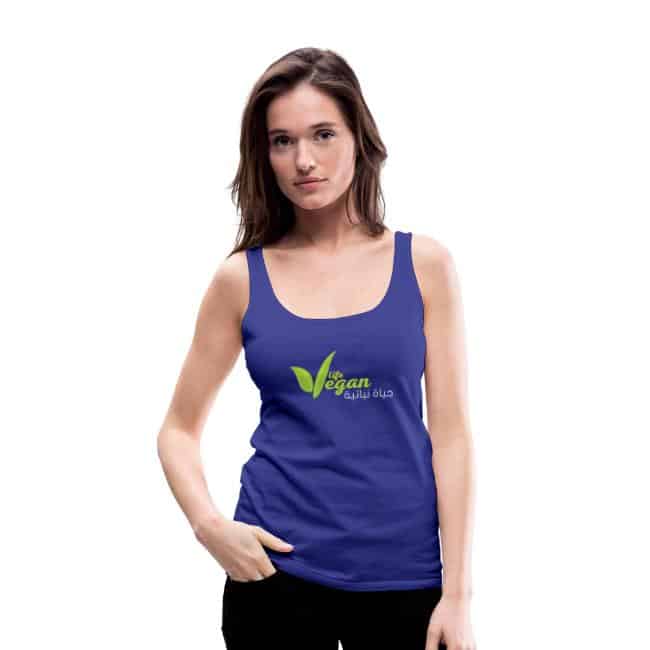
Women’s and children’s clothing in different styles
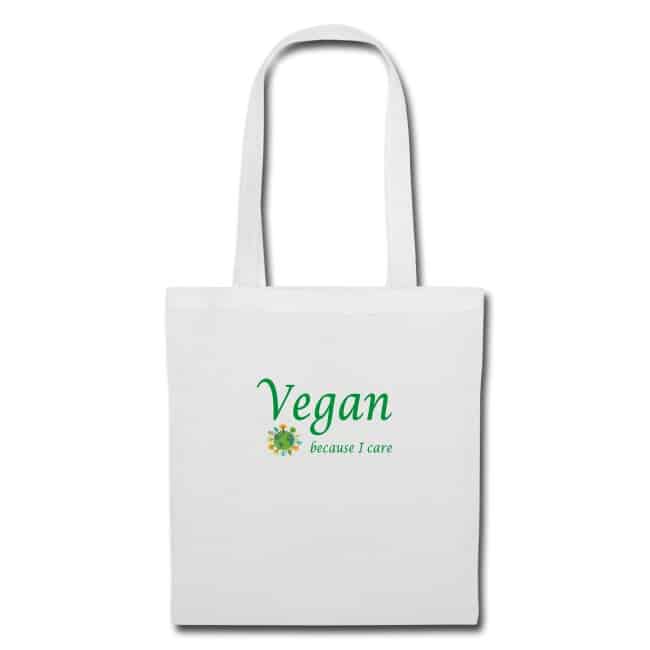
Accessories with vegan messages
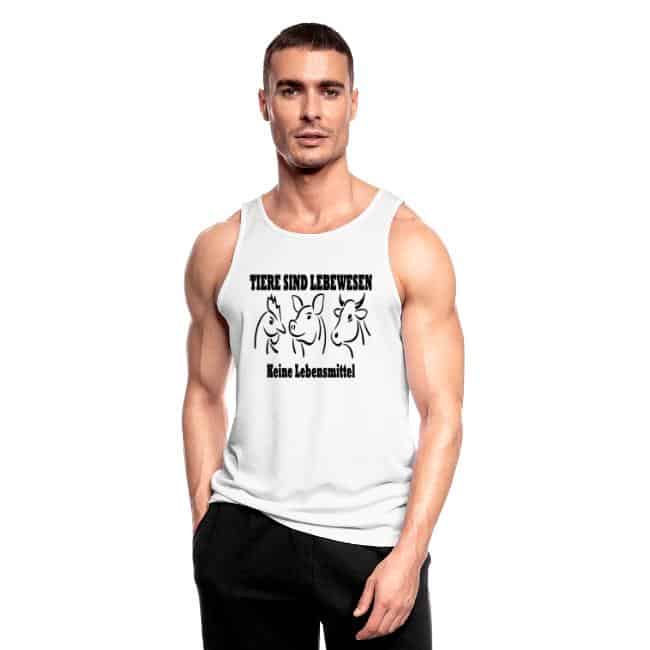
Men’s clothing in different styles and colors
Common questions about veganism
Over the years we have received the same questions again and again. Some are genuine concerns, others are common myths. Here are clear answers that go beyond slogans and look at the ethics, nutrition and evidence behind veganism.
If eating meat is permitted by religion, why choose veganism?
Permission is not the same thing as necessity. The ethical question is whether we need to use animals when suitable alternatives are available. Many religious traditions also place strong value on mercy, restraint and care for living beings. Veganism asks whether those values can be applied consistently to food and other everyday choices.
Don't humans need meat and animal products to be healthy?
Humans need nutrients, not specific animal products. A well-planned vegan diet can provide protein, iron, calcium, zinc and other essential nutrients. Vitamin B12 requires particular attention and should come from reliable fortified foods or supplements. The useful question is not whether a nutrient appears in meat, but where it comes from and how we can obtain it directly in a nutritionally adequate way.
Do animals really have rights?
Animals are sentient beings capable of experiencing pain, fear, comfort and pleasure. If suffering matters when it happens to us, species alone is not a good reason to dismiss comparable suffering in another sentient being. Veganism starts from a simple principle: when exploitation and killing are avoidable, their interests deserve serious moral consideration.
What about plants? Don't plants feel pain too?
Plants respond to light, touch, damage and other environmental signals, but they do not have a brain or central nervous system like animals. There is no good evidence that plants experience pain in the sentient sense. And even if someone were concerned about plant use, feeding crops to farmed animals and then eating the animals generally requires more plant production than eating plants directly.
Veganism is your choice. Why judge what other people eat?
Food preference can be personal, but an action stops being purely personal when it affects another sentient being. The ethical argument for veganism is not about policing harmless tastes. It is about whether our choices create avoidable harm to animals, as well as wider environmental costs, when practical alternatives exist.
If everyone went vegan, wouldn't farmed animals overpopulate the planet?
Farmed-animal populations are maintained because humans breed them to meet demand. A transition toward plant-based food would happen gradually, so producers would breed fewer animals as demand fell. The current enormous populations of chickens, pigs and cattle are not natural populations waiting to explode. They are deliberately produced by the livestock system.
Lions eat other animals. Isn't eating meat natural?
Wild animal behavior is not a moral rule for humans. Other animals act under different biological constraints and do not build ethical systems, laws or food supply chains. The relevant question for us is whether we can live well while avoiding unnecessary harm. When we can, appealing to what happens in nature does not settle the ethical issue.

Veg's Life: one of the first Arabic-language vegan communities
Veg’s Life grew from an early Arabic-speaking vegan community focused on animal rights, plant-based nutrition and vegan living. What started with a small group of friends became a platform reaching people across many countries.