
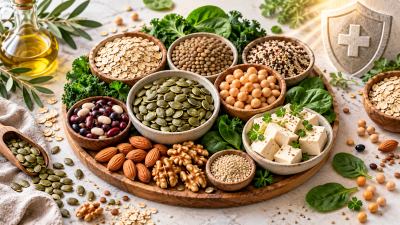
Veganism and Health
Until not very long ago, many people believed that meat was not only healthy, but necessary for good health.
For years, that view dominated much of the conversation around nutrition. Over the past several decades, however, plant-based diets have been studied far more closely and have shown clear potential when they are well planned.
Today, major nutrition organizations recognize that appropriately planned vegetarian and vegan diets can support good health.
Health benefits of a balanced plant-based diet
Let food support your health
Rich in plant foods
A varied plant-based diet can provide a wide range of vitamins, minerals, fiber and protective plant compounds.
Better fitness support
Choosing more whole plant foods can help reduce excess saturated fat and support an active lifestyle.
Managing risk factors
A balanced plant-based diet may help improve some cardiovascular and metabolic risk factors, although it is not a treatment by itself.
Healthy weight support
Many people who move toward a healthier plant-based pattern lose excess weight and move closer to a healthier body weight.
Circulatory health
Blood-vessel health is influenced by many factors. Balanced nutrition and regular physical activity are important parts of supporting heart and circulatory health.
Mood and wellbeing
Diet is one of many factors that can influence energy, mood and general wellbeing.
What the Academy of Nutrition and Dietetics says about vegetarian diets
After reviewing the scientific evidence on vegetarian dietary patterns, the Academy of Nutrition and Dietetics updated its position in 2025. The paper is available on PubMed under the title Vegetarian Dietary Patterns for Adults: 2025 Position Paper.
The evidence supports the conclusion that appropriately planned vegetarian dietary patterns can meet nutritional needs. The practical question then becomes: how do we build those diets well?

Are plant-based diets healthier, and can animal foods carry health costs?
Well-planned plant-based diets can be very healthy. Research has examined them in relation to body weight, cardiovascular risk factors, type 2 diabetes and other chronic-disease outcomes. The important point is not that one diet magically prevents or cures every disease, but that eating patterns centered on vegetables, fruits, whole grains, legumes, nuts and seeds can support health when they are nutritionally adequate.
- Photo: Steph Davis, world-champion climber and long-time advocate of plant-based eating

The China Study, plant-based diets and health
The China Study examined associations between diet and health across 65 counties in China over many years. The project involved the Chinese Academy of Preventive Medicine, Cornell University and the University of Oxford. It reported associations between dietary patterns and a range of health indicators, with populations eating more plant-based diets often showing different health profiles from those consuming more animal foods.
One of the study’s best-known researchers was T. Colin Campbell, a nutrition and biochemistry researcher who grew up on a dairy farm and originally believed strongly in the importance of animal protein.
Campbell later argued, based on his research and interpretation of the wider literature, that diets centered on whole plant foods can support health. However, the China Study was observational, so it cannot by itself prove that one dietary pattern prevents or treats most diseases, nor can it prove that one specific animal protein causes cancer in humans.


الزنك للنباتيين: أفضل المصادر وكيف نحسن الامتصاص
الزنك عنصر أساسي للمناعة، تصنيع البروتين والـDNA، النمو والتئام الجروح. واللحمة مو مالكة حقوق الزنك. موجود بالبقول، البذور، المكسرات، الحبوب الكاملة والتوفو، لكن النباتيين بدهم يفهموا نقطة واحدة
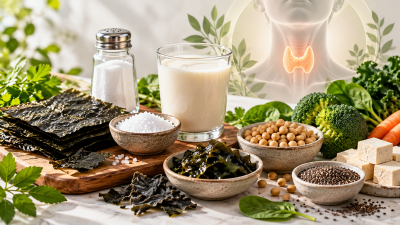
اليود للنباتيين: من أين نحصل عليه وهل الملح المدعم يكفي؟
اليود مو “مغذٍ حيواني”. هو عنصر يحتاجه الجسم لصنع هرمونات الغدة الدرقية، والسؤال الصح مو: بأي حيوان موجود؟ بل: من وين بيجي أصلاً، وكيف منقدر ناخده مباشرة وبكمية
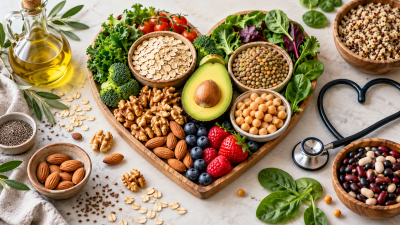
النظام النباتي والكوليسترول: ماذا يحدث لـ LDL عندما نستبدل المنتجات الحيوانية؟
ماذا يحدث للكوليسترول وLDL عند اتباع نظام نباتي؟ مراجعة تجارب عشوائية، استبدال البروتين الحيواني بالنباتي، الدهون المشبعة، الصويا وخيارات عملية.
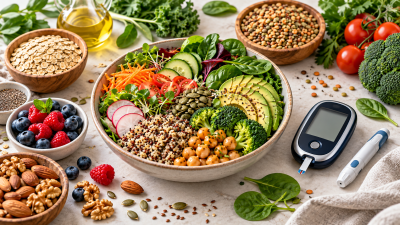
النظام النباتي والسكري: ماذا يحدث عندما نستبدل اللحوم بالنباتات؟
ماذا تقول التجارب عن النظام النباتي والسكري؟ مراجعة HbA1c، البروتين الحيواني مقابل النباتي، دراسات الاستبدال ونصائح عملية آمنة لمرضى السكري.
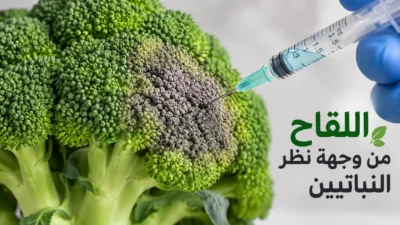
هل اللقاحات نباتية؟ المكونات والتجارب على الحيوانات والبدائل الحديثة
هل اللقاحات نباتية؟ ما المكونات ذات الأصل الحيواني، وما دور التجارب على الحيوانات، وكيف يتعامل النباتيون أخلاقياً مع الأدوية واللقاحات؟

اللقاح في نظر النباتيين: ماذا يرى ويل توتل خلف صناعة اللقاحات؟
مقال رأي لويل توتل عن اللقاحات وصناعة الحيوان والتجارب على الحيوانات، مع فصل واضح بين رؤية الكاتب والادعاءات الطبية التي تحتاج دليلاً مستقلاً.
قبل أن تصبح نباتياً: 14 شيئاً ستجعل البداية أسهل بكثير
14 شيئاً تجعل الانتقال للنباتية أسهل: البروتين، B12، الميزانية، العائلة، الأطفال، الوجبات والبدائل، مع خطوات عملية للمبتدئين.

الغذاء النباتي والمزاج: ماذا وجد تحليل شمل 709,703 بالغين؟
هل يرتبط الغذاء النباتي بالمزاج والسعادة والإنتاجية؟ ماذا وجدت الدراسات، وما الذي نعرفه عن العلاقة بين نوعية الغذاء والصحة النفسية؟

أوميغا 3 للنباتيين: لماذا لا نحتاج السمك للحصول على EPA وDHA؟
أكثر جملة تغيّر طريقة النظر إلى أوميغا 3 كلها هي هذه: السمك لا يصنع EPA وDHA من العدم. هذه الدهون تبدأ في السلسلة البحرية من الطحالب الدقيقة، ثم
