
Animal Rights and Veganism
Animal rights is the idea that animals are conscious beings capable of feeling pain, fear and comfort, and therefore deserve protection from cruelty and unnecessary exploitation. This is why animal rights and veganism are closely connected: veganism seeks, as far as possible and practicable, to reduce the exploitation of animals for food, clothing, entertainment and experimentation.
To us, animals are not objects and they are not our property. They are fellow beings sharing this Earth with us. If we believe others have a right to live, we cannot simply accept harming, oppressing or exploiting them when we do not need to.
Core Principles of Animal Rights and Veganism
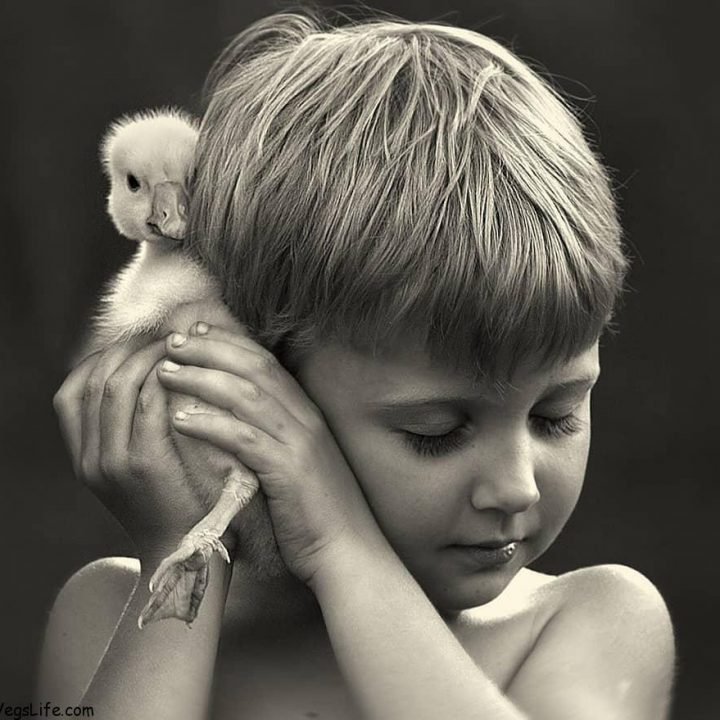
We believe in the human bond with animals, and that compassion is part of our natural humanity.
Animals are sentient and intelligent beings
Scientific research shows that animals can experience pain, fear and comfort, form social relationships, communicate, learn and remember. Many animals also display complex forms of cooperation, empathy and attachment to members of their group.
Compassion for animals is a human, spiritual and ethical value
Compassion for animals appears across many religious and ethical traditions around the world. And if we can live and eat healthfully without causing animals unnecessary suffering, a simple question follows: why keep exploiting them?
They share this planet with us. We are not their masters.
Animals are not things that exist to serve us. They are beings who share this planet with us. Human expansion and exploitation of nature and animals have contributed to habitat destruction and the loss of many species. Protecting animals is not only about compassion; it is also part of protecting the natural balance on which we all depend.
Compassion comes naturally to us
Most children are instinctively drawn to animals, empathize with them and try to protect them when they see them suffering or in danger. Compassion for animals is not something foreign to human nature; it grows from our natural ability to care about other beings.
More than 80 billion animals are killed every year
Despite their capacity to feel and suffer, tens of billions of land animals are raised and killed every year for food alone, without even counting the enormous numbers of aquatic animals. Behind those numbers are living individuals, each with their own experience and capacity for pain and fear.
If slaughterhouse walls were transparent, the world would think differently
Most of what happens to animals in the food system takes place far from consumers’ eyes. Many people never see the conditions animals live in or how their lives end. Seeing what actually happens forces us to reconsider the relationship between our food and animal suffering.
How We See Animal Rights and Veganism
Vegans see animals as conscious, sentient and social beings. This is not simply the result of “being too emotional,” as some people assume. Scientific research supports animals’ capacities to feel, learn, communicate and build social relationships.
And this understanding does not come from studies alone. Sometimes we only need to observe animals closely, in nature or through documentaries, to see their attachment to their young, their distress when they lose them or when they are ill, and their capacity for fear, joy and bonding.
Many of us empathize with animals spontaneously. We play with dogs and cats in the street or at friends’ homes. If a chicken were crossing the road, most of us would slow down or stop to let her pass safely. Children naturally approach animals, wanting to touch them, play with them and connect.
We believe in this human bond with animals. We see compassion and care for other beings as part of our humanity. Animal rights, then, is not an abstract idea separate from everyday life. It is a natural extension of the principle that others deserve to live without being subjected to injustice and exploitation.

A Double Standard, and Animals Pay the Price
Many of us empathize with animals instinctively. We play with dogs and cats at friends’ homes or in the street, and our concern is not limited to companion animals. If we saw a chicken crossing the road, we would stop the car and let her pass safely. Children, too, naturally want to approach animals, touch them and play with them.
We believe this human bond with animals is real, and that compassion is part of our nature.
That is why our invitation to veganism is also an invitation to question the conditioning we grew up with: inherited ideas and habits that may no longer make sense for our time, our knowledge or our values.
We may stop the car and delay ourselves because we do not want to run over a chicken, yet order chicken at a restaurant without hesitation.
In one moment we value her life because we feel a connection to the living being in front of us; in another, we end that life because the connection has been hidden from us.
What we are trying to do in this section is give you a chance to examine that conditioning, free your thinking from assumptions inherited from society, and reconsider them for yourself.
- اللوحة من Free Bison، وتظهر التناقض وازدواج المعايير التي يعاني منها المجتمع. لتعرف أكثر عن هذا الموضوع، شاهد واقرأ المقال المرتبط بها.


This short video shows a glimpse of what meat production means for animals behind the scenes
This video contains some difficult scenes, but we invite you to watch it so you can understand what really happens behind the scenes.
Sometimes knowing the truth requires an honest moment with ourselves and a willingness to look at what we are usually kept from seeing.
Start with this short video.
But doesn’t this happen mainly in the West? Isn’t halal or Islamic slaughter more humane?
Was what you saw difficult to watch?
This is only a small glimpse of what billions of animals experience when they are raised and killed every year for meat, milk and eggs. As long as we continue consuming animal products, we remain participants in a system that affects animal rights, animal welfare and our relationship with the beings who share this planet with us.
You may say that the meat you eat does not come from places like these. Then visit a slaughterhouse or a place where animals are killed, and see for yourself what happens before meat reaches the plate.
You may also say that Islamic or halal slaughter is more humane.
Watch this video showing animals being slaughtered according to Islamic practice, then ask yourself honestly: can killing an animal who wants to live really be described as humane?
To explore the relationship between veganism and Islam in more depth, read our article:
Veganism and Islam: Rethinking religion, compassion and animals
Ask your conscience.
Methods and rules may differ, but for the animal the outcome is still the same: their life is taken.
We do not believe there is such a thing as compassionate slaughter. No one wants to be killed. Watch the video, think about animal welfare and animal rights, and then ask honestly: where is the compassion in this?
Go Deeper: Learn More About Animal Rights and Veganism
Do you want to understand more about animal rights, animal suffering and their relationship to veganism?
Start with the documentary Earthlings, which shows different forms of human exploitation of animals and the consequences for animals and the environment. It is one of the best-known documentaries associated with animal rights and veganism.
You can also watch:
Gary Yourofsky’s well-known lecture
Across Veg’s Life, you will find more articles and resources about animal rights, animal welfare, veganism, animal exploitation, animal consciousness, sentience and the desire for freedom.
We also examine the cruelty and injustice animals face in different industries and try to reveal what is usually hidden behind ordinary products and habits. Melanie Joy’s concept of carnism is useful here: the system that makes eating certain animals seem natural, normal and necessary while hiding the animal behind words such as meat, milk and eggs. So we do not ask only why vegans refuse these products. We also ask what justifies continuing exploitation when practical alternatives exist, and why eating animals is treated as the default choice that needs no justification.
We keep expanding this content, so return to our Animal Rights and Veganism section for new articles and resources.
Read More From Veg’s Life
مصارعة الثيران في إسبانيا: ما الذي يفعلونه بالثور قبل أن يدخل الحلبة؟
مصارعة الثيران في إسبانيا ليست استعراضاً بريئاً. ماذا يحدث للثور قبل الحلبة وأثناءها، وكيف تُخفى معاناته خلف التقليد والترفيه؟

هل أكل منتجات الحيوان خيار شخصي فعلاً؟ ومن يدفع الثمن؟
إذا كان قرارنا يفرض الألم أو الموت على حيوان آخر، فهل يبقى مجرد خيار شخصي؟ مقال عن الكارنزم والحرية والضرر وحق الحيوان في أن يكون جزءاً من السؤال.

ماذا يحدث لو اختفى النحل؟ 75% من أنواع المحاصيل تعتمد على الملقحات
بالنسبة للكثيرين، النحل إما حشرة مزعجة أو آلة صغيرة لإنتاج العسل. الحقيقة أكبر بكثير. النحل جزء من شبكة تلقيح تجعل طعامنا أكثر تنوعاً، وتحافظ على

تراجع الحياة البرية: ماذا يعني انخفاض جماعات الحيوانات 73%؟
تراجع متوسط جماعات الحياة البرية 73% منذ 1970. ماذا يعني الرقم فعلاً، وما علاقة الغذاء واستخدام الأراضي بفقدان الموائل والتنوع الحيوي؟

مزارع الحيوانات الصناعية: هل سيحاكم التاريخ عصرنا بسببها؟
«مصير حيوانات المزارع هو واحد من أكثر الأسئلة الأخلاقية إلحاحاً في عصرنا». بهذه الفكرة كتب المؤرخ Yuval Noah Harari في صحيفة الغارديان عام 2015 مقالاً

الجنس مع الحيوانات
… الجنس مع الحيوانات البهيمية هي ممارسة الجنس مع الحيوانات لتحقيق الإثارة الجنسيّة. على الرغم من أنها محظورة في أغلب الدول و تدخل في إطار
Frequently Asked Questions About Animal Rights and Veganism
Animal rights is the idea that animals are not merely property or tools for human use, but beings with interests and experiences of their own, capable to varying degrees of feeling pain, fear and comfort. You can explore our perspective in more depth throughout the Animal Rights and Veganism section of Veg’s Life.
Modern science supports the existence of conscious experience in many animals. The 2024 New York Declaration on Animal Consciousness states that there is strong scientific support for conscious experience in mammals and birds, and a realistic possibility of conscious experience in all vertebrates and many invertebrates. New York Declaration on Animal Consciousness, New York University
Animal welfare mainly focuses on reducing pain and suffering and improving an animal’s living conditions, while animal rights asks a broader question: do humans have the right to exploit or kill animals when other alternatives exist?
You can see this distinction in practice in our article about animal exploitation in circuses. Animals in circuses, Veg’s Life
Academic literature also discusses this distinction between animal welfare, which can be evaluated scientifically, and animal rights, which additionally raises ethical questions about our relationship with animals. Animal Welfare and Animal Rights, ScienceDirect
Veganism is closely connected to animal rights because a large share of animal use happens in the production of meat, milk, eggs and other animal products. Many vegans therefore see avoiding animal products as one of the most direct ways to reduce their participation in animal exploitation.
To explore the meaning of veganism and its position on animal use, read our article More Than Vegan: What Does Vegan Mean? What does vegan mean?, Veg’s Life
A large study published in Science, using data from around 38,700 farms, found major differences in the environmental impacts of food production and showed that animal products account for an important share of those impacts. This adds an environmental dimension to the discussion about moving toward plant-based food. Poore and Nemecek, Science
Yes. There is strong scientific evidence that many animals do more than reflexively respond to harmful stimuli. They change their behavior and decisions and learn to avoid sources of pain. A scientific review published in Animal Behaviour set out physiological and behavioral criteria for assessing pain experiences in animals and reviewed evidence across different animal groups. Defining and assessing animal pain, Animal Behaviour
To explore how differently we relate to animals we feel close to versus animals we use, read more in our vegan thought section. Vegan thought, Veg’s Life
Mental abilities vary between species, but research has demonstrated learning, memory, problem solving, communication and social relationships in many animals.
For example, a scientific review published in Animal Cognition found that chickens have cognitive, emotional and social capacities far more complex than their common stereotype, including social learning, behavioral self-control, forms of memory and communication. Thinking chickens: cognition, emotion and behavior, PubMed
On Veg’s Life you can also explore our relationship with other beings and the environment in our vegan thought section. Vegan thought and animals, Veg’s Life
Yes. Emotion and social relationships are not limited to dogs and cats. A scientific review of cattle behavior found evidence of learning, memory, individual differences and personality, emotional states and social relationships. The Psychology of Cows, Animal Behavior and Cognition
This is one reason we at Veg’s Life look at animals used for food as living beings rather than products, something shown powerfully in the documentary Earthlings. Earthlings, Veg’s Life
Islamic law includes rules intended to reduce animal suffering during slaughter. But the discussion around animal rights and veganism raises a broader question: if people can obtain their food without killing an animal, is killing that animal necessary in the first place?
We explore this question further in our article Islam and veganism: Is veganism halal or haram? Islam and veganism, Veg’s Life
Scientifically, assessments of slaughter methods focus on pain, consciousness and physiological and behavioral responses. Those questions should be distinguished from the broader religious and ethical question of an animal’s interest in continuing to live. For more on the scientific basis for assessing animal pain: Defining and assessing animal pain, Animal Behaviour
The use of animals is not limited to meat production. It also includes milk and eggs, leather and fur, some forms of experimentation, circuses, entertainment and other industries.
You can see a broader picture of these industries in the documentary Earthlings. Earthlings, Veg’s Life
Scientifically, evaluating any use of animals should take account of their physical and emotional state, behavior and ability to cope with their surroundings. These are central elements in modern frameworks for assessing animal welfare. Scientific review on assessing animal welfare, Cambridge University Press
Start by learning more about animals’ lives and the ways animal products enter our daily lives, then make choices that reduce your support for forms of exploitation that conflict with your values as far as possible. For many people, moving toward plant-based food is one of the most important steps.
If you want to learn more about veganism, browse the Veg’s Life blog for articles, recipes and practical information. Veg’s Life blog
A large study published in Science also found that changes in food choices can substantially reduce some environmental impacts associated with food production. Individual choices therefore matter not only to animals but also to the environment. Reducing food’s environmental impacts through producers and consumers, Science
Caring about animal rights does not mean you have to change your entire life in a single day. But if you believe animals deserve protection from suffering and exploitation, it is natural to start asking how your everyday choices affect them.
You can begin by reading our vegan thought articles and learning what veganism means and why people choose it. Vegan thought, Veg’s Life
Scientifically, what we now know about animals’ capacities for consciousness and pain makes the question of how we treat them increasingly important. The New York Declaration on Animal Consciousness summarizes the principle clearly: when there is a realistic possibility of conscious experience in an animal, that possibility should not be ignored in decisions that affect them. The New York Declaration on Animal Consciousness