Vegetable Biryani Ingredients
- 3 cups basmati rice, or another rice you like, soaked in hot water for 1 hour and washed
- 1 piece fresh ginger, grated
- 1 cup cooked peas
- 1 cup fresh corn, when in season
- 2 cups sliced onion
- 1 head garlic, finely chopped
- 1 cup sliced carrot
- 1 cup sliced red bell pepper
- 1 cup green onion or leek
- 1 cup finely chopped tomato
- 1 tsp turmeric
- 1 tbsp biryani spice
- 1 tsp curry powder
- A pinch of black pepper
- 5 bay leaves
- Salt to taste
- Hot pepper, optional
- 2 cups vegetable broth, with more if needed
- 1/2 cup vegetable oil
Spicy Tomato Sauce Ingredients
- 3 large tomatoes
- 4 garlic cloves
- 3 tbsp olive oil
- 1 tbsp apple-cider vinegar
- 1 tbsp lemon juice
- A pinch of black pepper
- Salt to taste


How to Make Vegetable Biryani with Spicy Tomato Sauce
Heat the oil with the turmeric.
Add the onion and cook until softened. Add the garlic and ginger and mix, then add the remaining vegetables except the tomato. Once they soften, add the tomato and leave everything over low heat until the tomato releases its sauce.
Add the rice, all the spices and salt, and mix.
Add 2 cups vegetable broth. When it boils, lower the heat. If the rice is not fully cooked, add a little more water as needed.
Prepare the spicy tomato sauce
Heat the olive oil and soften the garlic. Add the tomatoes and the hot pepper paste mentioned in the original method (the original ingredient list does not specify an amount), then add 1 tablespoon apple-cider vinegar and 1 tablespoon lemon juice. Add a pinch of salt and black pepper and simmer over low heat for about 15 minutes until the tomato sauce thickens.
Serve the vegetable biryani with the spicy tomato sauce.

Why Peas Make the Biryani Stronger
Peas are not just a small green garnish on the side; they are legumes, and legumes measurably improve cardiovascular risk markers. A recent analysis of 38 randomized trials found reductions in LDL, non-HDL cholesterol and ApoB with whole-pulse consumption. Source.
The effects are not limited to blood lipids. A review of 65 randomized trials found that pulses reduced post-meal glucose excursions and improved some measures of glycemic control. Source.
So a handful of peas adds plant protein and fiber and turns rice from a mostly starch-based dish into a stronger meal for both cardiovascular and glycemic nutrition.
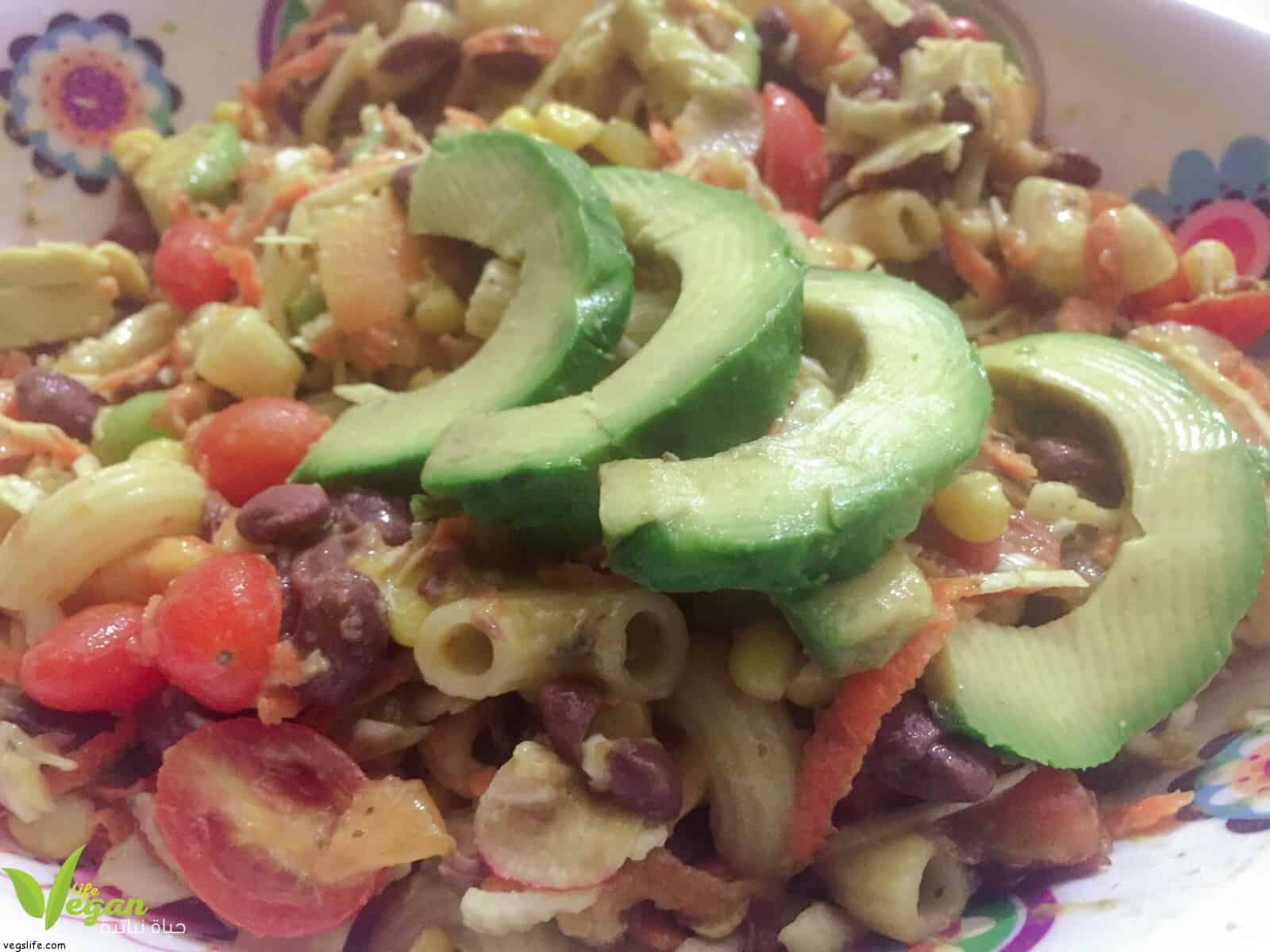
Try quinoa with salad, freekeh with peas and carrots, or rice with vegetables and cabbage salad.