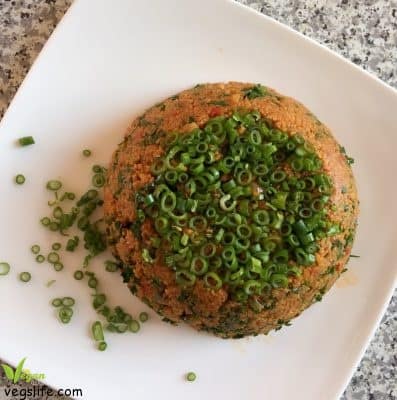
Seitan, also known as wheat protein or wheat meat, is a plant-based meat alternative made mainly from wheat gluten. It has a firm, slightly chewy texture, absorbs spices and sauces extremely well, and can be used as slices, chunks, or mince in a huge range of vegan dishes.
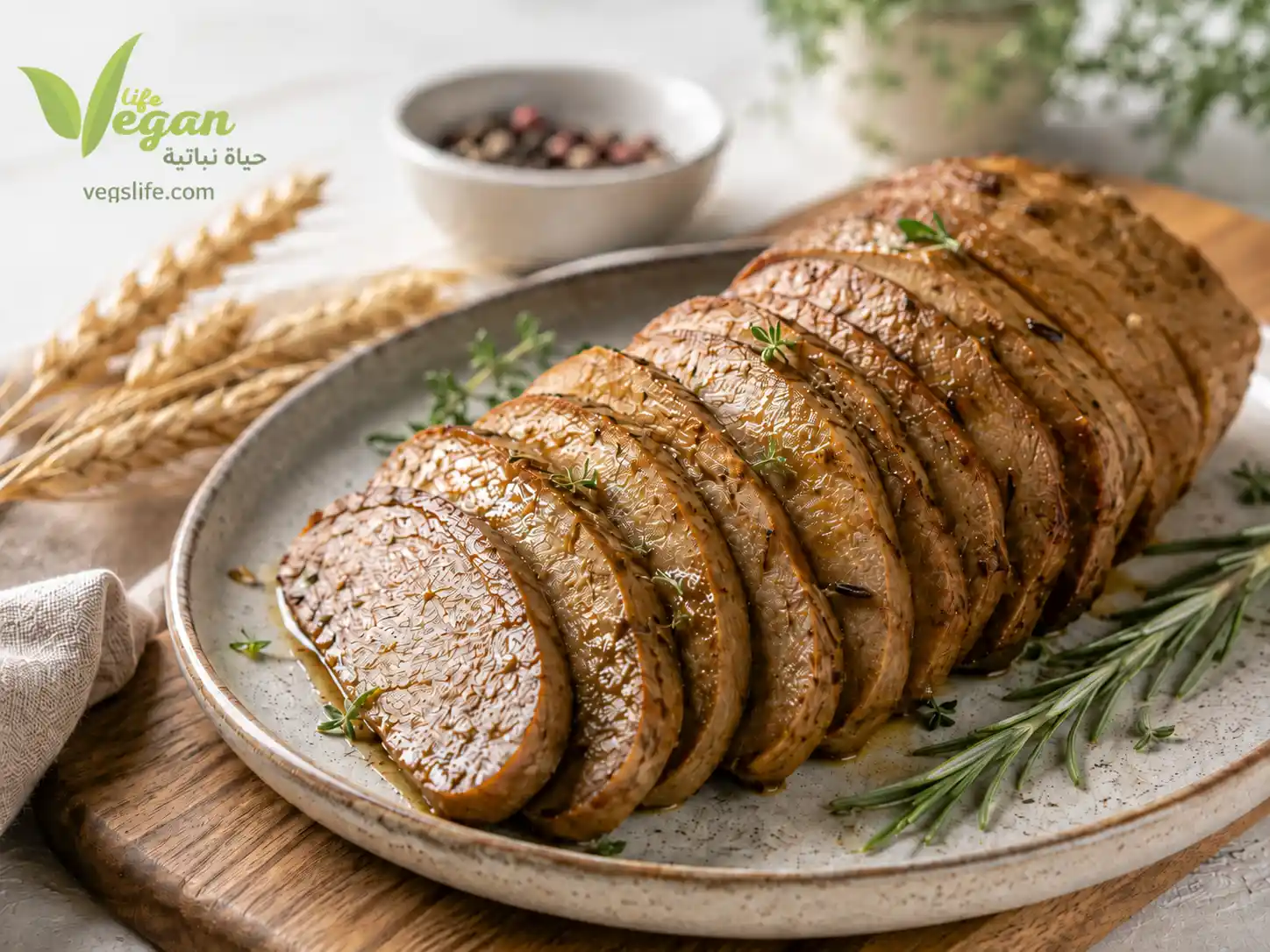
If this is your first time hearing the word seitan, the idea is much simpler than the name. We make a dough from wheat flour and water, then wash out most of the starch. What remains is the protein-rich part of the wheat: gluten. We simmer it in a seasoned broth so it takes on flavor and develops a meat-like texture, then cook it however we like.
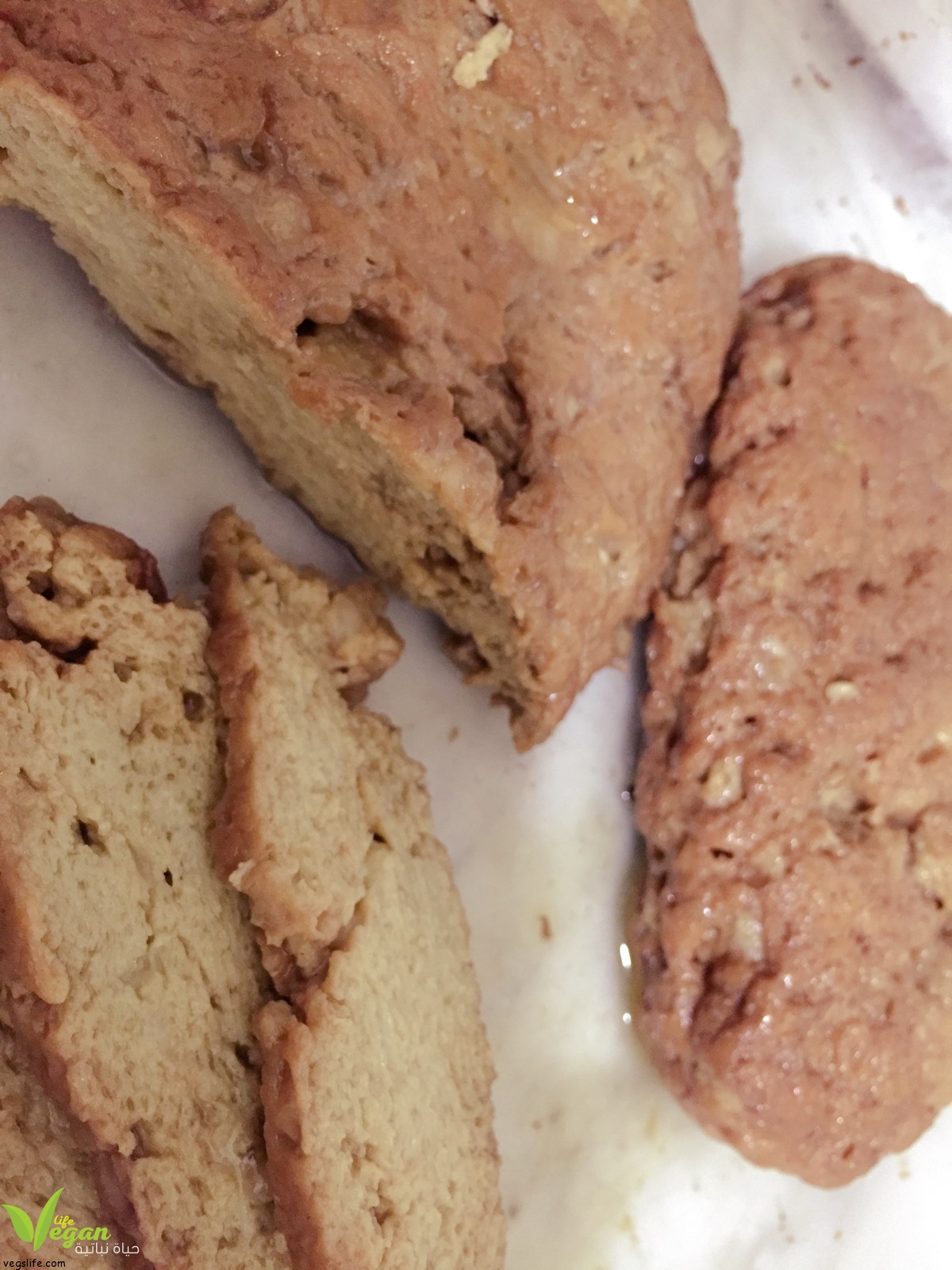
Recipe by Manal Abdulhay. The explanation and nutrition information have been updated while preserving the original preparation method.
What is seitan?
Seitan is a food made from wheat gluten, the main protein component of wheat. It is also known as wheat protein or wheat meat.
When wheat dough is washed with water, much of the starch is removed and the gluten remains as an elastic mass. On its own it has a mild flavor, but one of its biggest advantages is how well it absorbs broth, spices, and marinades.
That makes seitan useful in many dishes as a meat replacement: savory pies, vegan shawarma, stews, sandwiches, fillings, grills, slices, or even minced.
What is seitan made from?
Seitan is made mainly from wheat protein, or gluten. There are two common ways to prepare it.
The first starts with ordinary wheat flour. The flour is kneaded with water, then the dough is washed until most of the starch is removed and the gluten remains.
The second uses ready-made vital wheat gluten. This is faster because most of the starch has already been separated from the gluten.
Our recipe uses the traditional flour method, so you do not need a specialty ingredient and can make it at home from simple, widely available ingredients.
Is seitan high in protein?
Yes. Seitan is best known for its high protein content. The exact amount varies considerably depending on how it is made, how much water it contains, and what other ingredients are added, but seitan is generally a concentrated plant-based protein food.
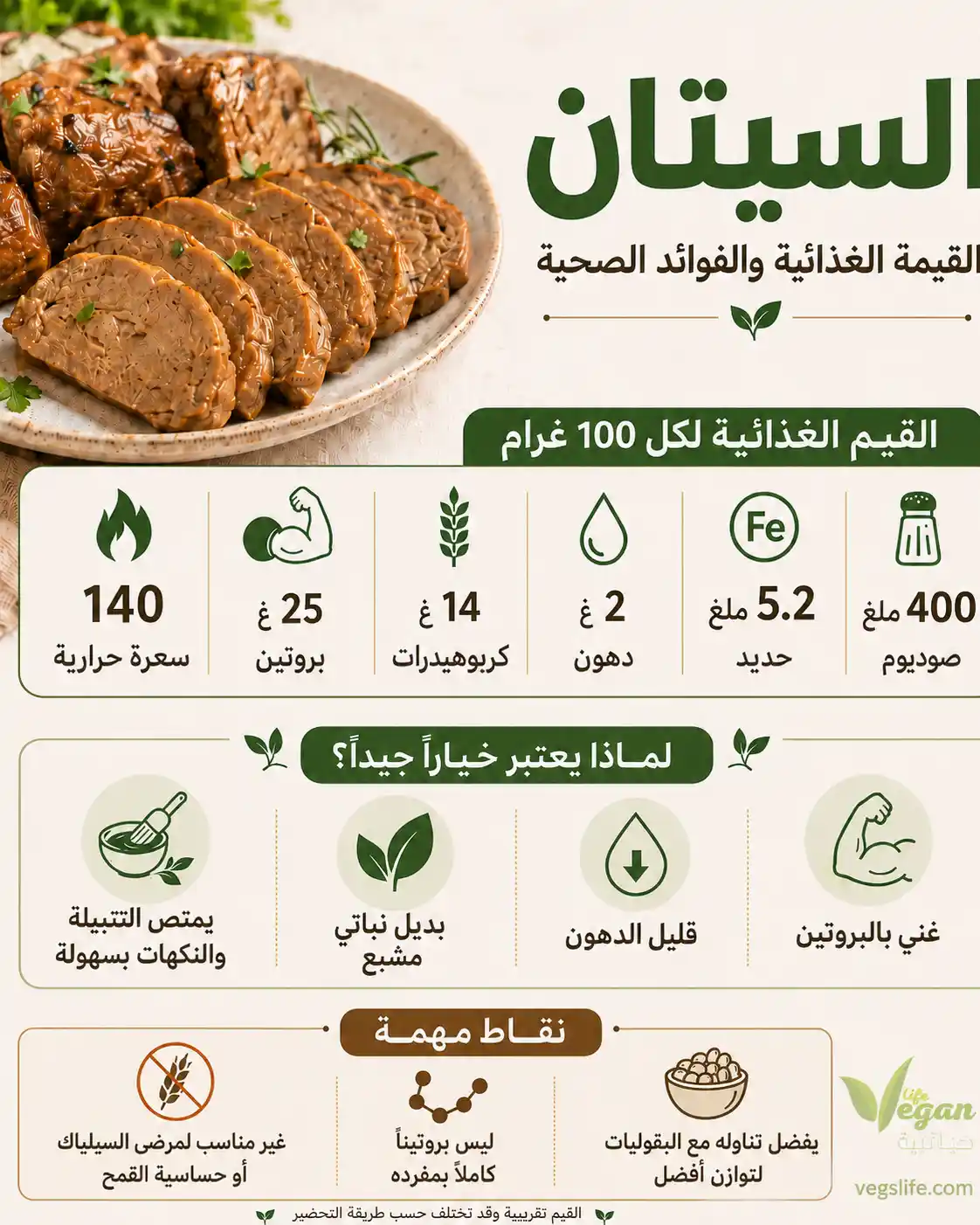
Published nutrition data show that some prepared seitan products contain around 20 to 25 grams of protein per 100 grams. That can make seitan a useful protein source as part of a varied vegan diet.
- High in protein: this is its main nutritional advantage.
- Great texture for cooking: it can be sliced, cubed, minced, and used in many different recipes.
- Naturally low in fat: when prepared without a lot of oil, although the final nutrition depends on the cooking method and sauce.
- Absorbs flavor easily: which makes it especially good for marinades, grilling, and fillings.
Is seitan a complete protein?
Seitan is rich in protein, but that does not mean it should be your only protein source. Wheat protein is relatively low in the essential amino acid lysine.
That is not a problem when your diet is varied. You can simply eat legumes such as lentils, chickpeas, and beans, soy foods, and other plant protein sources during the day.
So seitan is an excellent protein-rich food, but like any other food, it is best as part of a varied diet rather than the only thing you rely on.
Is seitan healthy?
If you do not have a problem with wheat or gluten, seitan can be a useful part of a varied vegan diet, especially for people who want a firmer plant-based meat alternative than tofu.
It is worth paying attention to how it is prepared. Some packaged seitan products can contain a lot of salt, especially when they are made with large amounts of soy sauce or ready-made sauces.
Making it at home has an extra advantage: you know exactly what went into it and can control the salt and seasoning yourself.
Who should avoid seitan?
Seitan is not gluten-free. In fact, it is made primarily from gluten itself.
That means it is not suitable for people with celiac disease and is not appropriate for people with a wheat allergy. If you have a diagnosed gluten-related condition, follow the advice of your doctor or dietitian.
There are many other vegan alternatives in those cases, including tofu, legumes, and other soy foods.
How to make seitan from wheat flour at home
This is our original method for making wheat protein from flour. It takes some time for soaking, washing, and simmering, but the process is simple and produces a good amount of seitan that you can use in several dishes.

Ingredients for the seitan dough
- 1 kg white or whole-wheat flour
- Water for kneading, as needed
- A large bowl of cold water for soaking
Ingredients for the seitan cooking broth
- Water or vegetable broth for simmering
- 1 large onion, with the skin on, for color and flavor
- 5 garlic cloves, with the skins on
- 4 bay leaves
- A piece of kombu, about 4 cm, if available
- 2 cinnamon sticks
- A piece of fresh or dried ginger
- 5 cloves
- About 10 fenugreek seeds, or 1/2 teaspoon ground fenugreek
- 4 cardamom pods
- 1 medium carrot
- About 10 black peppercorns
- 1 teaspoon salt, or to taste
- 1 small Arabic coffee cup of soy sauce
Preparing the seitan dough
- Put the flour in a large bowl. Gradually add water and knead for about 15 minutes until you have a firm dough.
- Place the dough in a bowl of cold water and leave it to soak for about 8 hours.
- After soaking, place the dough in a colander over a bowl and begin washing it with water, trying to keep it together as one piece as much as possible.
- As you wash it, the starch begins to come out and the water turns white.
- Continue washing until the water is nearly clear. The process takes roughly 15 minutes or more, depending on the flour.
- What remains is the gluten. The dough becomes smaller, more elastic, and firmer.
Note: The water used to wash the dough contains a lot of starch. You can let the starch settle and use it instead of throwing it away.
Shaping the seitan
You can leave the gluten as one whole piece, or shape it into a cylinder and cut it into slices. If you slice it, do not stack the raw pieces on top of each other because they stick together easily.
Preparing the cooking broth
- Put the water or vegetable broth in a large pot and add the onion, garlic, bay leaves, kombu, cinnamon, ginger, cloves, fenugreek, cardamom, carrot, peppercorns, and salt.
- Bring the broth to a boil.
- Add the seitan to the broth.
- Once the liquid returns to a boil, lower the heat and let it simmer gently for about 1 hour.
- As it cooks, the pieces grow in size and begin to float.
- After about an hour, remove the seitan from the broth and let it drain briefly.
- Place it in a non-stick pan, add the soy sauce, and turn the pieces until they absorb the flavor and the excess liquid reduces.
- Let it cool before final slicing or storage, because the texture becomes firmer as it cools.

Enjoy 🙂
What can you make with seitan once it is ready?
Once the seitan is prepared, there is no single way to use it. You can mince it finely for fillings, slice it for shawarma or sandwiches, cube it for stews, or season and grill it.
Seitan itself has a mild flavor, so the final taste depends heavily on the seasoning. Soy sauce, ginger, pepper, pomegranate molasses, sumac, shawarma spices, or grill spices can each take it in a completely different direction.
Seitan wheat-protein pies

One of our recipes specifically made for using seitan is wheat protein pies, or wheat-meat pies.
The recipe uses about 300 grams of minced wheat protein with tomatoes, onion, bell pepper, soy sauce, pine nuts, and spices as the filling. So if you prepare a batch of seitan with this recipe, you can use part of it directly for the pies.
See the step-by-step recipe for wheat protein pies.
How should seitan be stored?
Once it has cooled, put it in a clean, tightly closed container in the refrigerator.
From a food-safety perspective, it is best to treat it like other cooked foods and use it within about 3 to 4 days when refrigerated.
If you make a large batch and will not use it right away, divide it into portions and freeze them. That way you only defrost the amount you need for a particular dish.
There is no need to throw away the cooking broth either. Strain it and use it as a vegetable broth for rice, soups, or other dishes.
What is the difference between seitan and tofu?
Both are widely used as vegan meat alternatives, but they are completely different foods.
Seitan is made from wheat protein and usually has a firmer, chewier texture, while tofu is made from soybeans and ranges from soft to firm depending on the type.
Seitan contains gluten. Plain tofu does not depend on wheat, although you should always check the ingredients and marinades in packaged products.
If you want to try tofu as a meat alternative too, see our vegan tofu shawarma sandwich recipe.
Seitan or soy protein?
There is no need to choose one and reject the other. Variety is better, and each works well in different dishes.
Soy protein is also used in many vegan recipes, such as our vegan soy-protein kebab and grilled soy protein.
If you are looking for more ideas, you can find many recipes in the Veg’s Life vegan kitchen.
Frequently asked questions about seitan
Is seitan the same as wheat gluten?
Seitan is made mainly from wheat gluten, but the word seitan usually refers to the finished food after the gluten has been hydrated, shaped, cooked, and seasoned, rather than just dry vital wheat gluten powder.
Is seitan 100% vegan?
Basic seitan made from wheat and water is vegan. When buying packaged seitan, it is still worth reading the ingredients because seasonings and added ingredients vary between products.
Is seitan gluten-free?
No. This is one of the most important things to know about it. Seitan is made mainly from gluten itself, so it is not suitable for a gluten-free diet or for people with celiac disease.
How much protein does seitan contain?
The amount varies depending on the product, preparation method, and water content. In general, seitan is a protein-rich plant food, and some prepared types contain roughly 20 to 25 grams of protein per 100 grams.
What does seitan taste like?
Its basic flavor is mild, which is an advantage because it takes on the flavor of the broth and seasoning it is cooked with. The same seitan can therefore be used in completely different dishes and flavor profiles.
Can you make seitan from ordinary flour?
Yes. That is the method used in our recipe. The yield and final result depend on the type of flour and its protein content, but the principle is the same: knead the flour into a dough, wash out the starch, and keep the gluten.
Can seitan be frozen?
Yes. If you make a large batch, divide it into portions and freeze it rather than keeping it in the refrigerator for too long.
Is seitan suitable for people with celiac disease?
No. Because seitan is made from wheat gluten, it is not suitable for people with celiac disease.