
Sprouted wheat is a simple, nutrient-rich plant food, and the sprouting process changes the grain in ways that may improve the availability of some nutrients. During sprouting, enzymes become active and some stored compounds in the grain change. That is why sprouted grains have been studied for mineral bioavailability, plant compounds and digestion.
- Sprouting changes grains and may reduce phytate, which can limit the absorption of some minerals.
- The availability of iron, zinc and some plant compounds may improve, but the amount of change varies by grain and sprouting method.
- Sprouted wheat still contains gluten, so it is not suitable for people with celiac disease.
- Raw sprouts can carry harmful bacteria; cooking them until thoroughly hot is the safer option.
What changes when wheat sprouts?
When a grain begins to sprout, enzymes inside it become active and some of the compounds stored in the grain start to change. A scientific review of sprouted grains found that sprouting can alter starch, protein and some plant compounds, and may reduce substances such as phytate. Source.
Another review found that sprouting may improve the bioavailability of minerals such as iron and zinc in some grains and legumes. The result varies depending on the food, sprouting time and conditions, so it is not accurate to claim that every nutrient always “multiplies.” Source.
What does modern research support? Sprouting changes the composition of the grain, may reduce phytate, and may improve the availability of some minerals and plant compounds. These are the benefits we can directly attribute to the research used in this article.
Is sprouted wheat more nutritious than regular wheat?
It may have some advantages. A 2023 study found that sprouting wheat increased some plant compounds and improved the bioaccessibility of certain phenolic acids during simulated digestion. Source.
But unsprouted whole wheat is still an excellent food. You do not need to sprout every grain you eat to benefit from whole grains.
What does wheat contribute to a vegan diet?
Whole wheat contributes complex carbohydrates, protein, fiber, some B vitamins and minerals. When we talk about plant protein, it is better to look at the full meal: wheat with lentils, chickpeas or beans can be part of a filling, nutrient-rich meal.
Also read: plant protein vs animal protein.
A simple way to sprout wheat at home
- Use intact whole wheat berries intended for food.
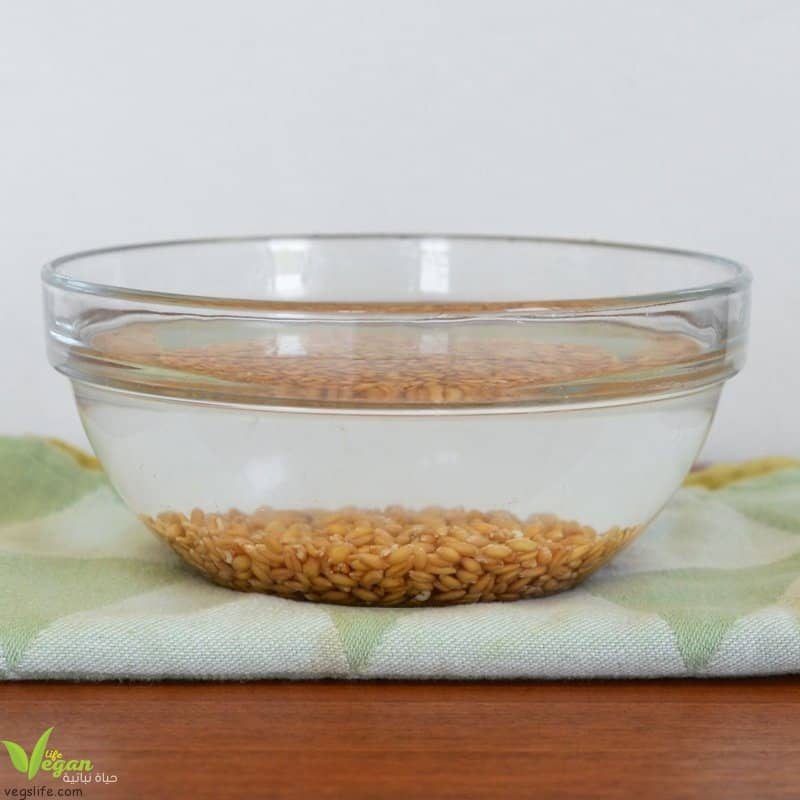
- Rinse well and soak in clean water for several hours or overnight.
- Drain thoroughly and place the grains in a clean container that allows water to drain and air to circulate.
- Rinse with clean water once or twice a day and drain very well each time.
- Once a small sprout appears, refrigerate and use soon.


Important note about sprout safety
Sprouts grow in warm, humid conditions—the same environment that can also help some bacteria grow. Health authorities therefore warn that raw or undercooked sprouts are more likely to carry harmful contamination. Home-grown sprouts are not automatically free of this risk.
The U.S. Centers for Disease Control and Prevention considers sprouts cooked until thoroughly hot to be a safer choice than raw sprouts. CDC.
This is not only a theoretical warning: in August 2026 there was a U.S. outbreak linked to sprouts contaminated with E. coli and Salmonella. FDA.
How can you eat sprouted wheat?
- Add it cooked to warm salads or grain bowls.
- Use it with lentils, chickpeas and vegetables.
- Add it to some breads or soups.
- You do not need a large amount for it to be part of the meal.
Frequently asked questions
Does sprouted wheat treat digestive problems?
Some grain components change during sprouting and some people may find sprouted grains easier to digest, but sprouted wheat should not be treated as a cure for digestive disease.
Is sprouted wheat gluten-free?
No. It is still wheat and still contains gluten, so it is not suitable for people with celiac disease.
Do I need to eat it raw to get the benefits?
No. Cooking reduces the risk of contamination, and there is no reason raw consumption is required to obtain nutritional value.
Do vitamins increase tenfold after sprouting?
Some vitamins and compounds may increase while others decrease, but the numbers vary greatly depending on the grain and sprouting conditions. That is why we do not use one fixed multiplier for every case.